More Than Just a Sticker: The Real Deal With CE-Certified Gallium Iodide Lamps
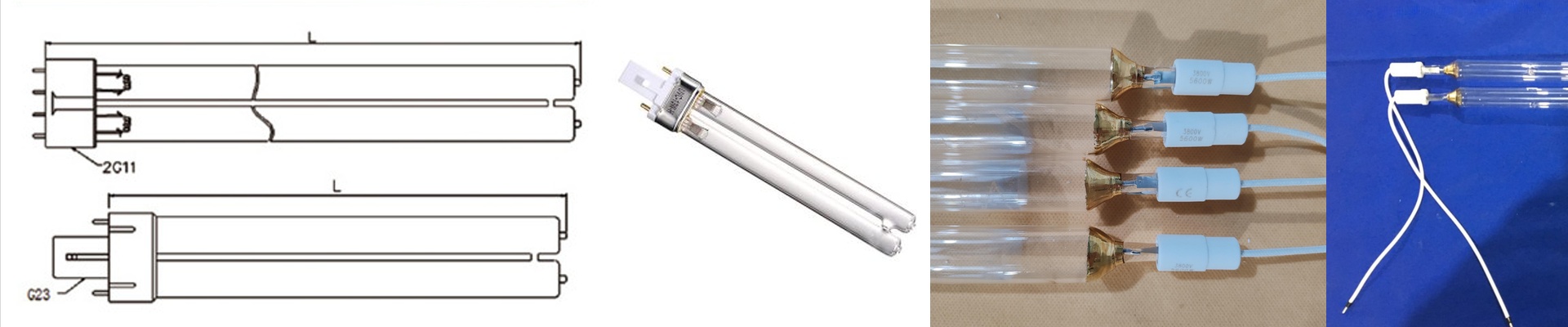
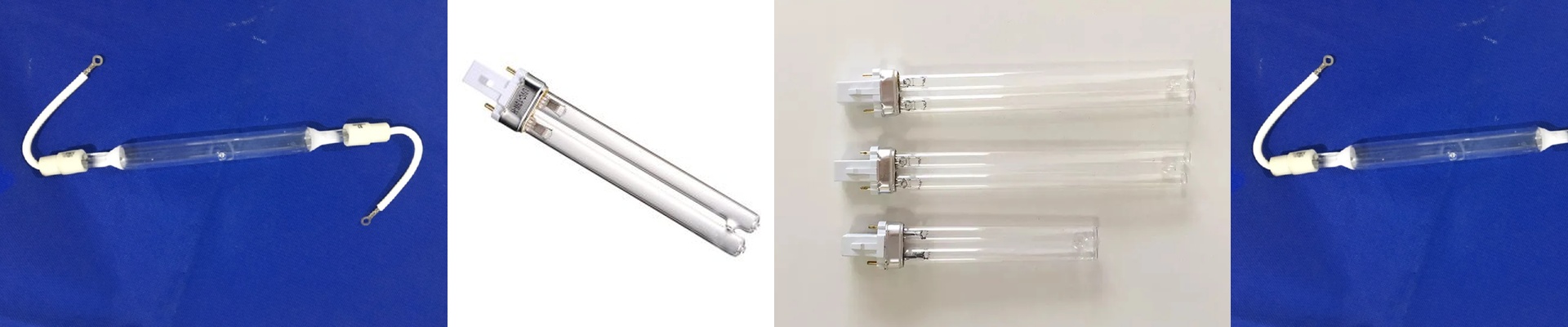
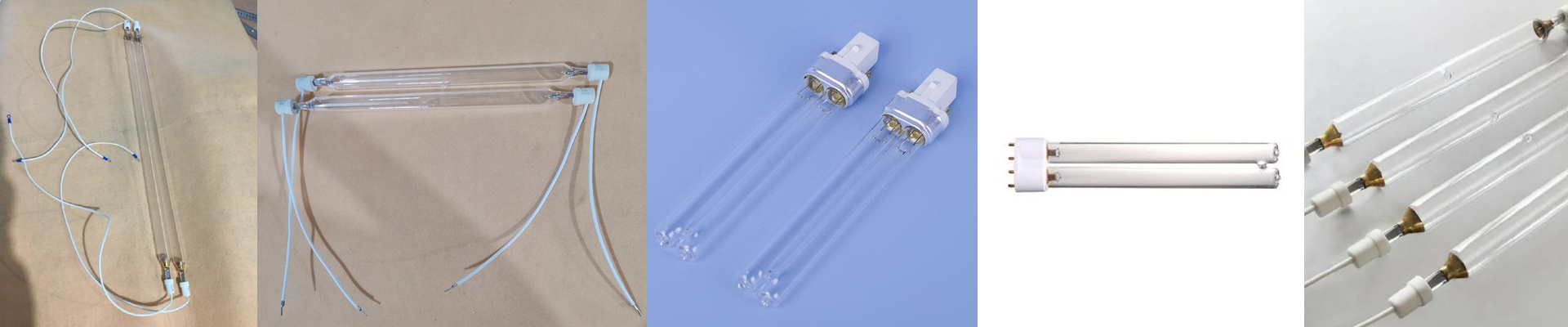
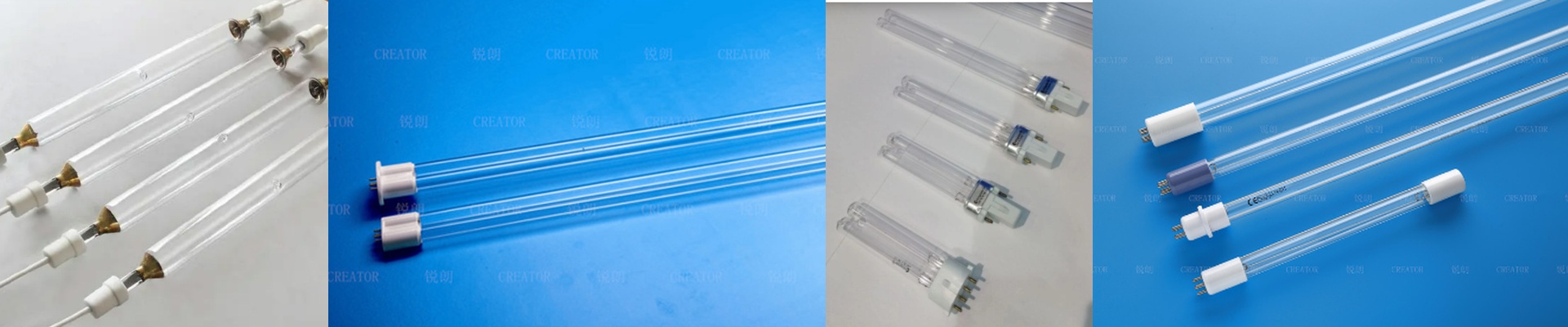
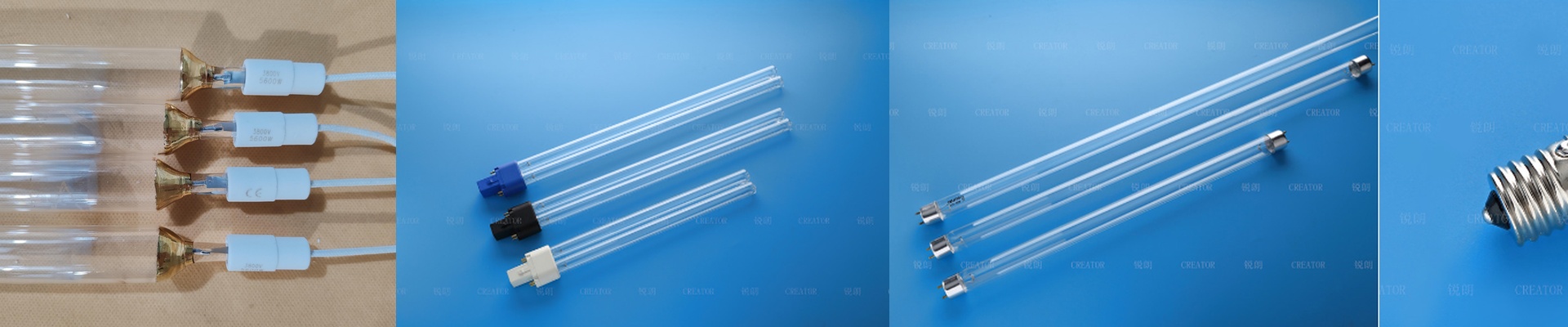
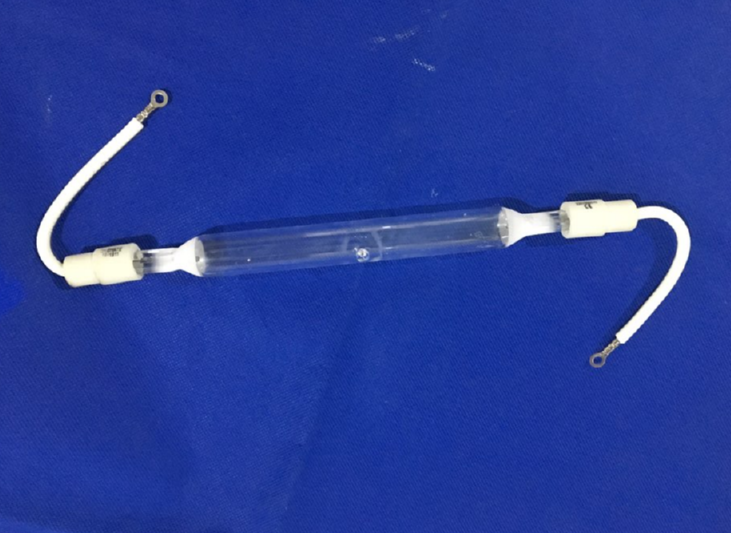
Gallium Iodide (GaI) lamps are pretty specific beasts. If you’re working with resins or semiconductors, you know they’re the go-to for hitting that 250nm to 350nm UV sweet spot to get things curing. But when you’re shopping for these, you’ll see that CE mark. A lot of people treat it like a boring piece of paperwork. In reality? It’s the only thing keeping your setup from becoming a headache.
Why the certification actually matters
These lamps run hot. I mean really hot. If you grab a cheap, non-certified lamp, it might hit the right wavelength on day one. But the second it hits sustained thermal stress? That’s where things go south. CE certification basically means the quartz envelope is strong enough and the electrode seals won’t give up on you. Without those checks, you’re just waiting for an arc-over or a premature burnout to ruin your afternoon. Then there’s the “noise” problem. High-frequency ballasts can be messy. They leak electromagnetic interference (EMC) that can wander right into your production line. If your lamp and driver aren’t built to these standards, you might find your sensors tripping or your PLC logic glitching for no apparent reason. It’s frustrating and a nightmare to troubleshoot.
The balancing act: Power vs. Stability
It’s tempting to just crank up the wattage to get more UV output. But there’s a catch. More power means more internal pressure. We spend a lot of time balancing the gas mixture inside the tube so the glass doesn’t just crack under the heat. You get a steady, reliable output, but you still have to do your part. Your cooling manifolds need to be the right size. Because here’s the thing: if your airflow drops, the lamp is going to overheat. No amount of certification can save a lamp that isn’t breathing.
Getting it onto the floor
If you’re dealing with high-end OEMs in Europe or North America, they aren’t going to let uncertified gear anywhere near their shop floor. Period. Using CE-certified GaI lamps just makes life easier. They’re basically drop-in replacements that play by the international safety rules. You don’t have to waste time rigging up custom shielding or adding extra fuses just to feel safe. You just wire it up, set your timers, and it actually does what the data sheet says it will do. Simple.