Using UV Tech in the Textile Line
Most people think UV lamps are just for killing germs. But in a textile mill? They’re the secret sauce that locks in chemistry and keeps microbes away, from the moment the raw fiber hits the floor to the second the garment is bagged. They’re basically invisible helpers working behind the scenes.
Getting the Ink to Stick
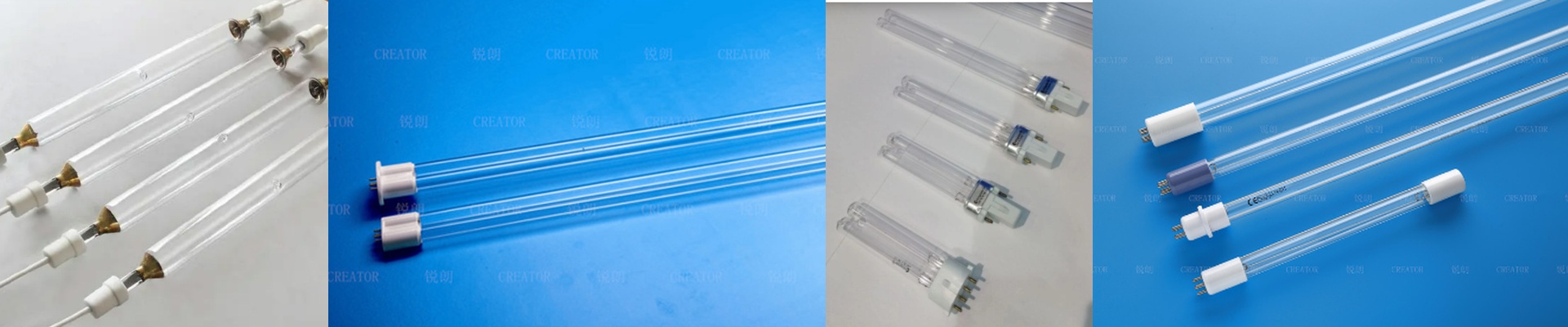
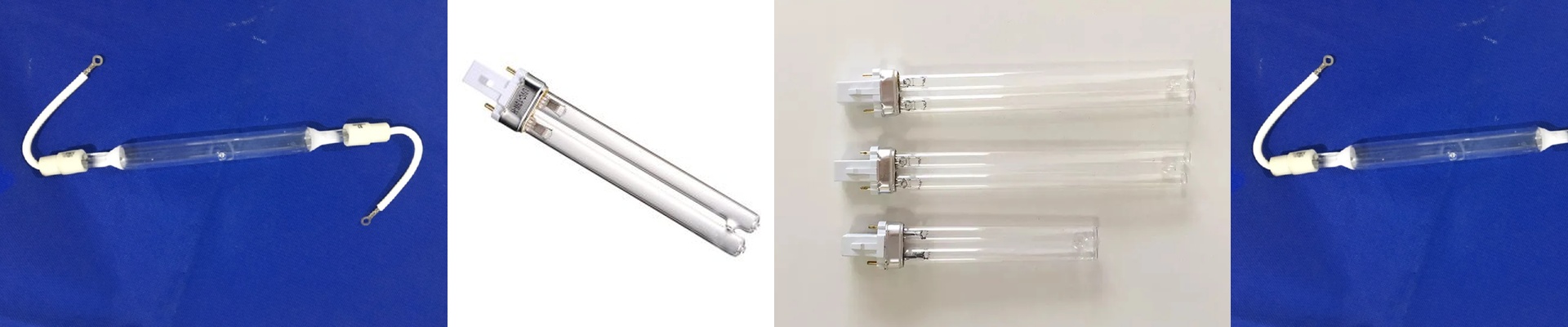
When you’re printing patterns on synthetics, you aren’t just waiting for the ink to dry. You’re actually starting a chemical reaction. We use high-intensity UV lamps to snap those liquid monomers into a solid polymer chain. It happens instantly. That’s what stops the ink from bleeding into the fibers. But here’s the catch: if your lamp’s output starts to drift, you get “under-curing.” You won’t notice it immediately, but your customer will—usually when the print starts peeling off after a couple of washes.
Dealing with Smells and Bacteria
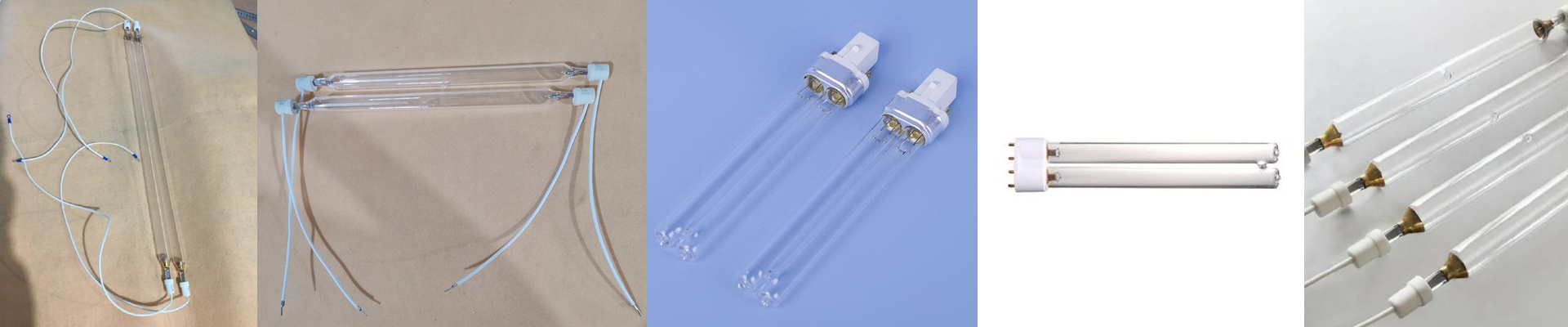
Raw fabrics can be… funky. Between the organic contaminants and the heavy smells from the dyeing process, things can get gross. That’s where UV-C lamps come in. We run the fabric through finishing tunnels where the light breaks down the DNA of mold and bacteria. The best part? It’s a dry process. You don’t have to deal with chemical washes that leave a residue or make the fabric feel stiff and weird.
The Real-World Headache: Maintenance
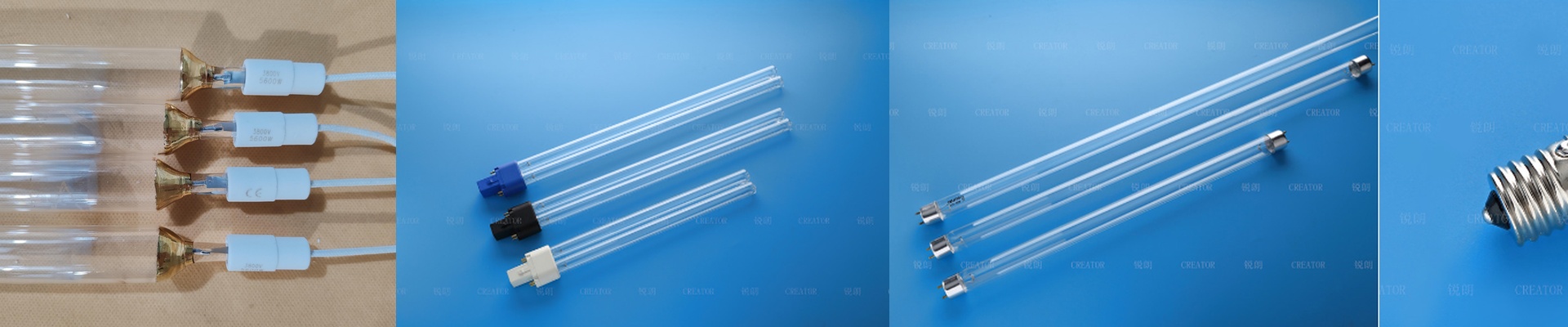
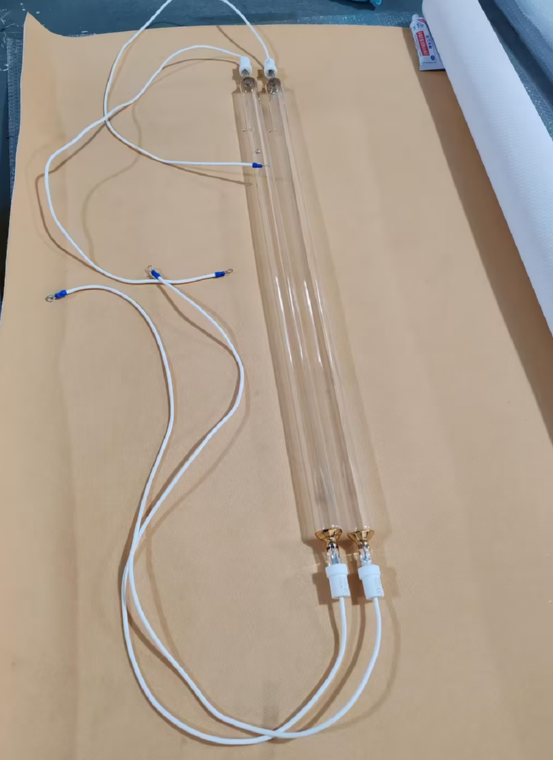
Here is the thing about high-wattage UV arrays: they gethot. Like, really hot. You can’t just bolt these things into a machine and forget about them. If a cooling fan dies or the reflectors get choked with fabric lint, the temperature spikes. That’s a fast track to ruining the quartz envelope or burning out the lamp entirely. I can’t stress this enough—keep those reflectors clean. If you don’t, your light levels drop, and your quality goes with them. Plus, you have to play a balancing act with your conveyor speed. If you speed up the line, you need more power to make sure the curing actually happens before the fabric exits the tunnel. If you skimp on the wattage, you’ll end up with garments that feel tacky to the touch. Nobody wants that.