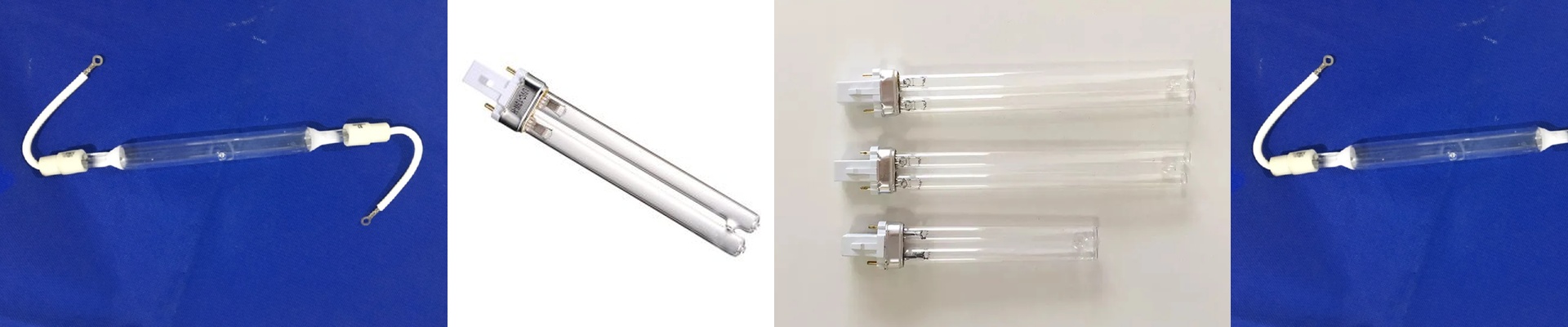
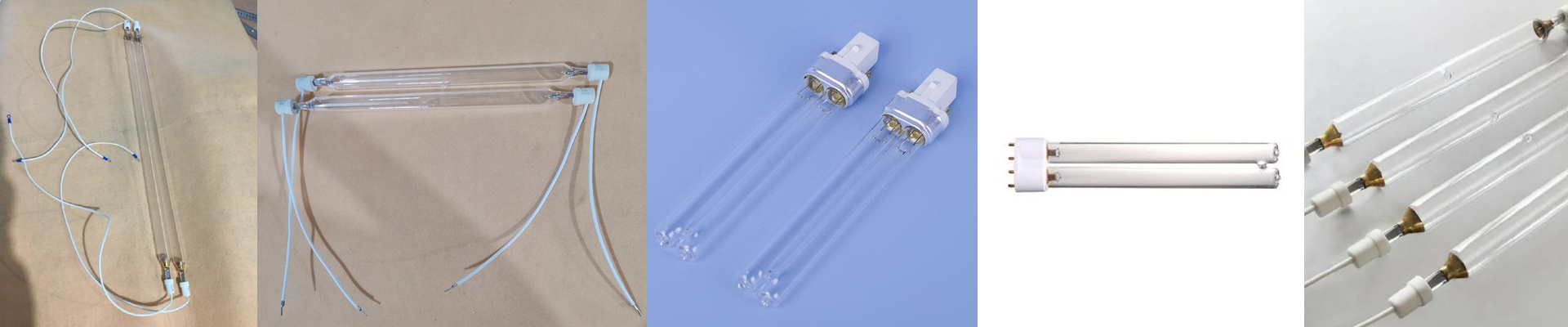
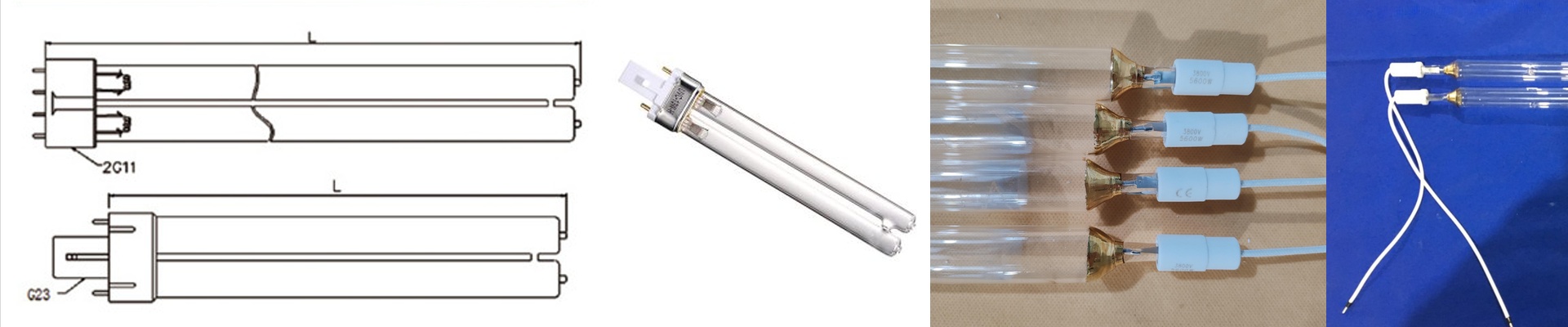
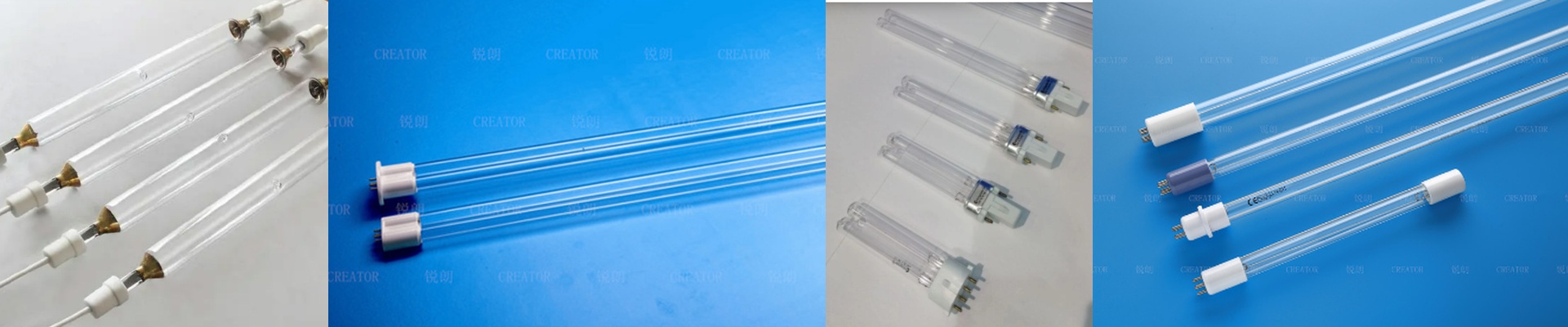
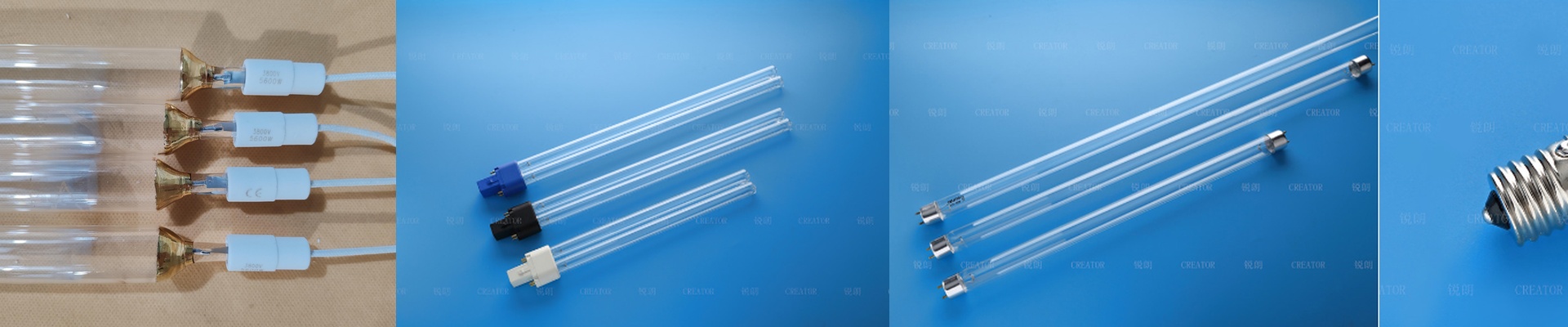
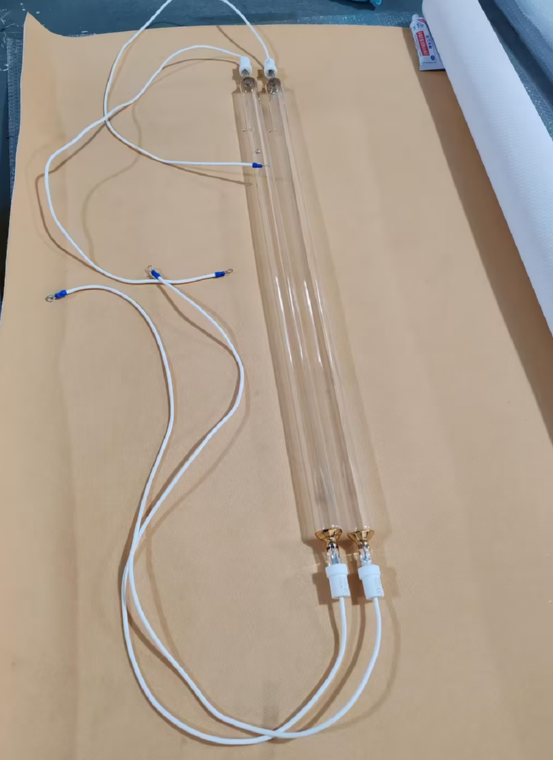
We didn’t design our UV systems in a lab. We spent time on the floors of 3,000 different printing plants, watching where things actually go wrong. The truth is, most off-the-shelf lamps aren’t built for the real world. They can’t handle the constant shaking and the brutal heat of a production line. So, we stopped chasing “theoretical peak power” and focused on what actually matters: thermal stability and getting the wavelength exactly right. The heat problem Here’s the thing about curing ink and coatings: you need the right amount of energy, but you can’t just crank up the wattage. If you push too much power into a short tube, you get these nasty hot spots that fry your electrodes way too early. We spent a lot of time tweaking our power curves to make sure the UV light hits the substrate evenly. And a word of advice? Make sure your ballast output matches the lamp’s rated voltage perfectly. If you over-drive the system, you’re basically killing your lamp life by 30% before the first month is even over. Why we use quartz We use high-purity fused quartz for the envelopes. Why? Because standard glass blocks the short-wave UV you need for a deep, solid cure. We also obsessed over the “leakage.” We redesigned the reflectors to bounce those photons back onto the web instead of letting them bleed out and heat up your machine frame. But there’s a catch. High-purity quartz is a bit temperamental when it comes to temperature swings. If your cooling fans quit or your air knives get clogged, these tubes will crack. You’ve got to keep that airflow steady, or the quartz will warp. Keeping the line moving Nobody wants to spend their shift rewiring a curing tunnel. It’s a nightmare. That’s why we made our systems “drop-in.” We used standard connectors and footprints so your techs can swap out a dead tube in a couple of minutes and get back to work. It’s simple. It’s fast. And it keeps the line moving.